






Nasogastric Tube Insertion Training for People with Eating Disorders
Nasogastric tube (NGT) feeding, more recently referred to as NGT Nutrition, is used across many areas of healthcare, but in the context of eating-disorder treatment it has a very specific purpose: to restore physical and cognitive stability when someone is unable to meet their nutritional needs through oral intake.
When used appropriately, and within the right ethical and legal framework, NGT Nutrition can be a safe and effective way to support individuals whose health is at significant medical risk.
Every patient living with an eating disorder presents with their own history, needs, strengths, and challenges. Even when the procedure is the same, the approach must be personalised. Understanding these individual differences is vital, as they inform not only how nasogastric tube insertion should be conducted but also how the patient is supported before, during, and after the procedure.
Our training has been developed with this in mind. We explore why some individuals with eating disorders may require NGT nutritional support and how staff can deliver this care safely, compassionately, and in line with current clinical guidelines. The course integrates technical skill, communication, trauma-informed practice, and reflective decision-making to ensure staff feel confident and patients feel respected and supported.
Understanding Eating Disorders
Eating disorders are complex mental health conditions influenced by biological, psychological, and social factors. They are never a choice and often involve profound distress around food, eating, body image, and control. Common diagnoses include:
- Anorexia Nervosa
- Bulimia Nervosa
- Binge Eating Disorder (not typically treated with NGT nutrition)
- ARFID (Avoidant/Restrictive Food Intake Disorder)
Treatment is not one-size-fits-all. When a person becomes severely physically compromised, for example, due to malnutrition or an inability to meet nutritional requirements orally, hospital admission may be required. In these situations, nasogastric tube insertion can play an important role in achieving medical stability and restoring cognitive functioning so that psychological treatment can begin or continue safely.
Technical knowledge alone is not enough. Understanding the emotional, behavioural, and medical complexities of eating disorders enables healthcare professionals to provide safer, more compassionate care and helps protect the therapeutic relationship, even when treatment is difficult.
During our nasogastric tube insertion training courses, we ensure that this vital context is covered in detail, to ensure that your team can learn the best practices, but also adapt them to suit the needs of each patient.
How Nasogastric Tube Feeding Works
A nasogastric tube is a fine, flexible tube passed through the nose, down the throat, and into the stomach. It allows liquid nutrition to be delivered directly to the gastrointestinal tract when oral intake is inadequate or unsafe.
In eating-disorder care, NGT nutritional support is usually a short-term intervention used to address urgent medical needs, stabilise vital signs, or support someone whose illness has temporarily impaired their capacity to nourish themselves. The goal is not only physical recovery but also enabling the patient to regain the cognitive clarity required to participate in psychological treatment.
While nasogastric tube insertion is generally quick, it can feel uncomfortable and emotionally distressing, especially for individuals with eating disorders who may have heightened sensitivity, fear of loss of control, or past trauma. Our training emphasises trauma-informed communication, consent processes, and respecting patient dignity throughout the procedure.
Steps to support the patient may include:
- Using topical anaesthetic if appropriate
- Adequate lubrication of the tube
- Encouraging swallowing only if clinically safe
- Providing calm, clear, step-by-step explanations
- Validating distress and supporting grounding strategies
Correct placement must always be confirmed using approved clinical methods, such as pH testing and/or radiological confirmation, in line with national guidance.
The Importance of Clinical Skill, Compassion, and Communication
Good communication is at the heart of safe NGT practice. The procedure rarely fails for technical reasons alone; difficulties often arise when the patient is frightened, overwhelmed, or unable to stay still or breathe steadily. A compassionate, patient-centred approach can significantly reduce distress and risk.
Staff must also be aware of factors such as gag-reflex sensitivity, dissociation, anxiety, and trauma histories. Our training provides practical guidance on managing these situations safely while maintaining the therapeutic relationship.
Potential complications, such as misplacement into the airway or dislodgement, are discussed thoroughly, alongside strategies to prevent them and the steps required if they occur.
Our NGT Training Course
This course is designed for nurses, support workers, and other healthcare professionals involved in the care of individuals with eating disorders who require enteral nutrition. The training emphasises:
- Safe, evidence-based insertion and confirmation techniques
- Legal and ethical considerations, including consent and capacity
- Trauma-informed and compassionate communication
- Maintaining dignity and minimising distress
- Working within multidisciplinary teams
- Competency development and reflective practice
We ensure that learning is tailored to the experience of your team. For example:
- Nurses may receive additional content on alternative feeding methods, complex cases, and decision-making frameworks.
- Teams working primarily with children and adolescents may focus more on family-based considerations, safeguarding, and supporting highly anxious young people.
Our instructors are practising clinicians with extensive experience in both medical and mental-health settings. Teaching is interactive, practical, and grounded in real-world clinical scenarios.
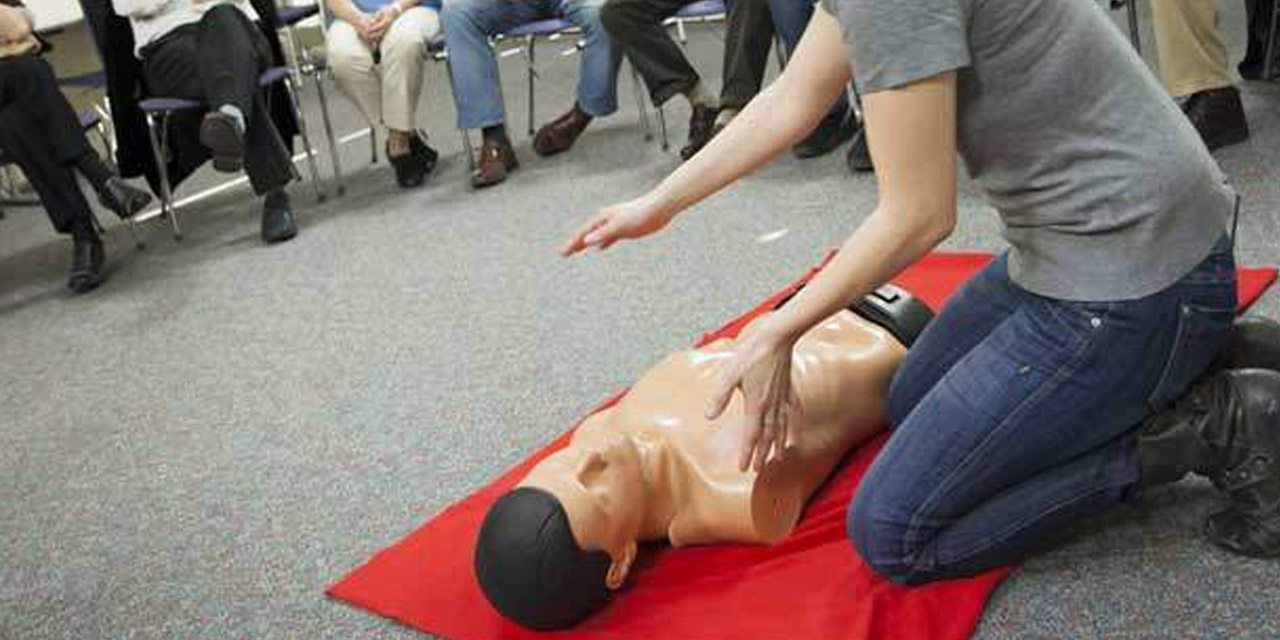
We value the practical approach, and know that hands-on training is far more valuable than training courses that are lecture-heavy or purely consist of contextless slideshows.
Course content includes:
- Indications and contraindications for NGT use
- Risks, complications, and how to mitigate them
- Consent, capacity assessment, and lawful practice
- Fine-bore NGT insertion technique
- Confirmation of safe placement
- Feeding and medication administration via NGT
- Managing and reporting complications
- Daily care and mouth-care procedures
- Accurate and defensible documentation
- Practical simulation and supervised skills practice
NGT training for eating disorders is only one of the nasogastric tube insertion courses we provide. As mentioned, there are a number of reasons why NGT insertion will be recommended, so we have courses that cover reasons for NGT insertion in more detail, but can also tailor your selected course to better suit the needs of your patients.
Training That Evolves with Best Practice
Healthcare is dynamic, and so is the treatment of eating disorders. New guidelines and evidence continue to shape how we assess medical risk, prevent refeeding complications, and support individuals with severe restrictions.
We continuously update our course in line with recommendations from national bodies and emerging clinical evidence. Whether you are seeking initial training, up-to-date refresher skills, or specialist input for a complex service, we aim to provide training that reflects current best practice and supports safe, compassionate care.
If your team requires high-quality, clinically informed NGT training tailored to the needs of people with eating disorders, we would be happy to support you.
Please contact us for further information or to explore course options.